Michigan State Parks Overview
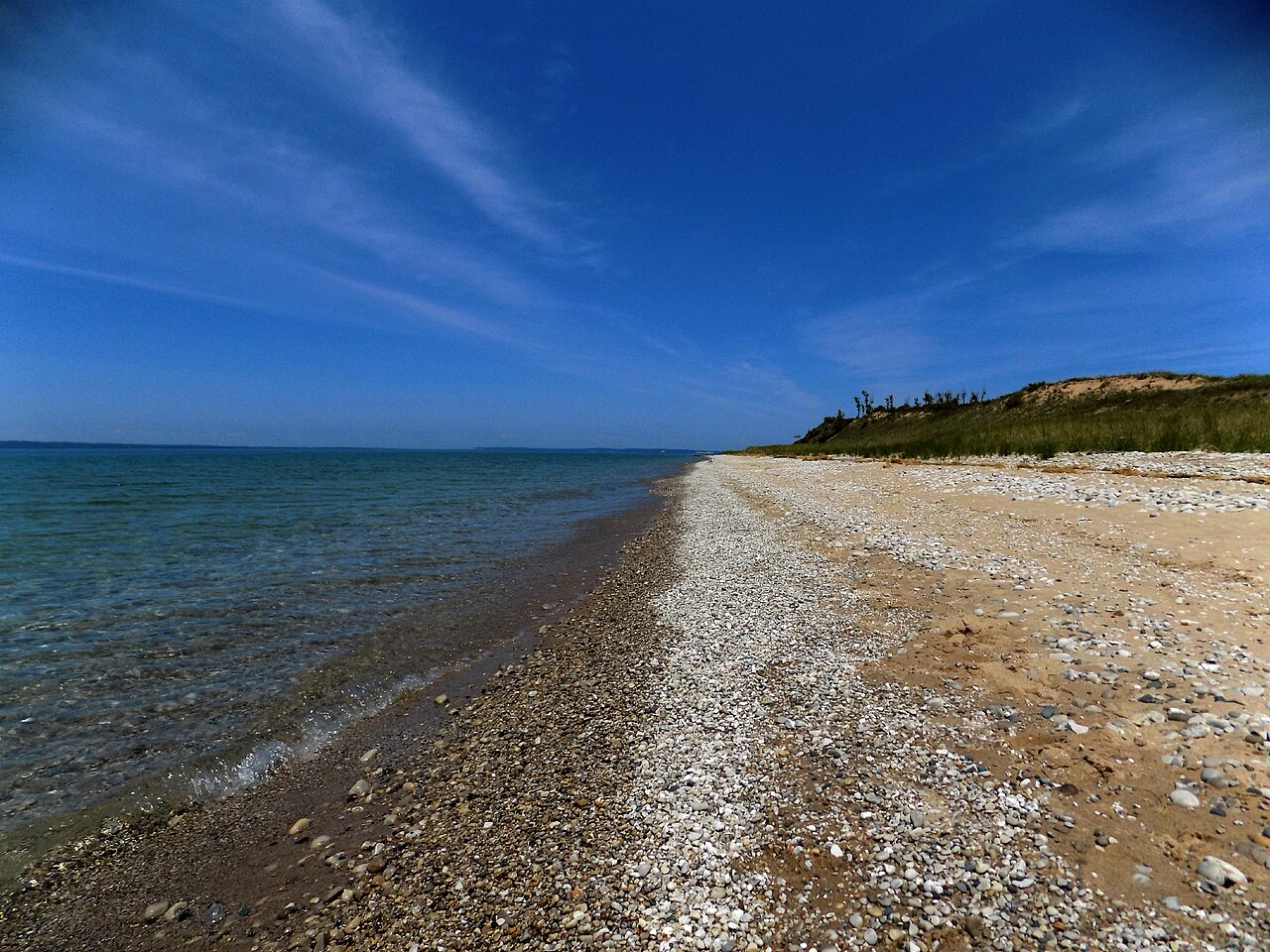
Michigan's state parks offer a diverse array of natural and recreational opportunities. There are over 100 state parks dotted across the region, providing visitors with access to stunning landscapes, including the Great Lakes' shorelines, verdant forests, rolling dunes, and sparkling inland lakes.
Features and Attractions:
-
Natural Diversity: Each park showcases unique aspects of Michigan's varied ecosystems.
-
Recreational Opportunities: From hiking and biking to fishing and camping, outdoor enthusiasts find plenty to do.
-
Accessibility: Many parks feature ADA-accessible facilities, ensuring all visitors can enjoy the beauty of Michigan's natural spaces.
Popular Parks:
-
Warren Dunes State Park: Known for its high dunes and pet-friendly beaches, this park also offers 6 miles of trails.
-
Sleeping Bear Dunes National Lakeshore: Although not a state park, it's noted for its majestic dunes and scenic beauty.
Conservation Efforts: Michigan's state parks not only provide recreation but also play a crucial role in conserving wildlife habitats, cultural resources, and providing environmental education.
Visitor Experience: Amenities such as campgrounds, picnic areas, and visitor centers enhance the park experience, making it enjoyable for families, individual adventurers, and tourists alike.
Top Rated Michigan State Parks
Michigan offers a diverse array of state parks, each with unique features that cater to nature enthusiasts and casual visitors alike. From the pristine wilderness areas in the Upper Peninsula to awe-inspiring waterfalls, these parks provide unforgettable experiences.
Porcupine Mountains Wilderness State Park
The Porcupine Mountains Wilderness State Park is renowned for encompassing nearly 94 square miles of northern Upper Peninsula landscape, with half of the park shrouded in old-growth forests. This park is a sanctuary for backpackers and hikers, featuring the picturesque Lake of the Clouds and numerous trails. For details on what to expect, visit U.S. News Travel.
Sleeping Bear Dunes National Lakeshore
Advancing onto the sandy expanses, Sleeping Bear Dunes National Lakeshore boasts towering dunes that rise above Lake Michigan. It's not only a place for stunning views, but also for active dune climbing, swimming, and miles of hiking trails. More on the unique landscapes can be found at TripSavvy.
Pictured Rocks National Seashore
Pictured Rocks National Seashore stretches along Lake Superior's south shore, known for its multicolored sandstone cliffs. In addition to its natural canvas, the park offers waterfalls, clear blue waters for kayaking, and ample hiking paths. U.S. News Travel provides specifics on its geological wonders.
Tahquamenon Falls State Park
Lastly, Tahquamenon Falls State Park is celebrated for the Tahquamenon River and its majestic waterfalls, including one of the largest waterfalls east of the Mississippi. This park is a favored spot for fishing, bird watching, and winter sports. Insight into its year-round beauty is highlighted by Only In Your State.
Recreational Activities in Michigan State Parks
Michigan State Parks offer an array of activities for outdoor enthusiasts. Each park provides unique landscapes and facilities, ideal for a variety of recreation opportunities throughout the year.
Hiking and Trail Exploration
The extensive network of trails in Michigan's state parks caters to hikers of all skill levels, winding through dense forests and along scenic lakefronts. For example, hikers can traverse paths that lead to breathtaking views at Pictured Rocks National Lakeshore or explore the trails at Sleeping Bear Dunes, renowned for its sand dunes and forested trails.
Water Activities
From the shores of the Great Lakes to tranquil inland lakes, Michigan's state parks are hotspots for water-based recreation. Visitors can engage in swimming, boating, and fishing at destinations like Baraga State Park, which offers access to the Keweenaw Bay of Lake Superior. Kayaking and canoeing are also popular activities, with parks providing boat rentals and launch facilities.
Winter Sports
When the snow falls, Michigan's state parks transform into havens for winter sports. Facilities for skiing, snowshoeing, and snowmobiling are available at many parks, allowing visitors to enjoy the winter wonderland. For the adventurous, the frozen landscapes offer a different kind of beauty, with miles of groomed trails for cross-country skiing and snowboarding.
Wildlife Viewing
State parks in Michigan provide natural habitats for diverse wildlife, making it an ideal place for nature and wildlife viewing. Parks like Bewabic State Park offer birdwatching opportunities, where one might spot species such as bald eagles and ospreys, while larger mammals like deer and moose can be seen in their natural environments.
Historical Significance of Michigan State Parks
Michigan State Parks not only offer natural beauty but also a profound sense of history, encompassing sites with cultural and historical importance dating back centuries.
Cultural Heritage Sites
Michigan's state parks are custodians of rich cultural heritage sites. They include ancient fortifications and places that reflect the life and times of the indigenous populations. For example, the parks often contain artifacts and remnants of the daily activities of these cultures. Visitors can witness these cultural expressions through various mediums such as preserved structures, interpretive trails, and museum collections.
Historic Landmarks
In addition to the wealth of natural wonders, Michigan’s state parks are home to a number of historic landmarks. Structures like lighthouses dot the coastline, marking important navigation points that historically guided ships through the Great Lakes. Historic forts give insight into the military history of the region. Some parks also celebrate literary figures, as seen with the Ernest Hemingway Cottage at Walloon Lake, preserving the author's legacy within the scenic landscape.
Accommodations and Camping
Michigan State Parks offer a wide range of accommodations and camping options to suit various preferences, from traditional tent sites to modern cabins.
Campgrounds and RV Sites
Most parks feature campgrounds with amenities such as electric hookups, modern restrooms, and picnic areas. Sites are suitable for tents, trailers, and RVs, each providing a comfortable base for exploring the natural surroundings. For example, Traverse City State Park offers a 47-acre campsite near downtown Traverse City.
Cabin Rentals
Several parks provide cabin rentals, ranging from rustic to fully-furnished options. These cabins often include amenities like beds, kitchen facilities, and sometimes even heating and air conditioning, offering a more home-like experience within the park premises.
Backcountry Camping
Adventurous campers may prefer the solitude of backcountry camping, available in parks like the Porcupine Mountains Wilderness State Park. These sites are generally more remote and offer a true wilderness experience, requiring campers to hike in with their gear.
Visitor Facilities and Amenities
Michigan State Parks are well-equipped to enhance the visitor experience with a variety of facilities and amenities designed to meet the needs of park-goers.
Park Centers and Museums
Many Michigan State Parks host informative park centers and museums. For example, visitors at Baraga State Park can learn about the area's natural history and local culture. These centers often feature exhibits, interactive displays, and knowledgeable staff to educate visitors on the park's ecosystem and heritage.
Picnic Areas and Pavilions
State parks in Michigan offer designated picnic areas and pavilions that provide a perfect setting for family outings and group gatherings. The facilities typically include picnic tables, grills, and often scenic views. Some parks, like those listed on Tripadvisor, may require reservations for pavilion use, ensuring space for everyone who plans a visit.
Restrooms and Accessibility
Accessible restrooms are a priority in Michigan State Parks. They strive to ensure that restrooms are clean and easily accessible to all visitors, including those with disabilities. Information on the state's park website indicates that maintaining these facilities is essential for visitor comfort and convenience.
Conservation and Wildlife Preservation
Michigan's state parks are not only recreational havens but also vital sanctuaries for a diverse range of flora and fauna. Conservation efforts focus on both protecting these natural ecosystems and providing educational opportunities for visitors.
Echo Lake Nature Preserve stands out for its commitment to safeguarding the untouched wilderness representative of Michigan's natural beauty. It serves as a prime example of conservation where visitors can witness landscapes relatively unchanged by human activity.
In the Porcupine Mountains Wilderness State Park, conservation initiatives protect nearly 94 square miles of northern forest. Here, the preservation of old-growth forests supports a habitat for wildlife such as black bears, moose, and gray wolves.
-
Wildlife Protection Efforts:
-
Maintenance of natural habitats for native species
-
Monitoring of wildlife populations
-
Regulation of park activities to minimize human impact
-
At places like Warren Dunes State Park, conservation also includes maintaining the dunes ecosystems, which play a crucial role in the local environment. These dunes are the second highest in Michigan, providing unique habitats for plants and animals.
-
Habitat Conservation Measures:
-
Restoration of damaged ecosystems
-
Invasive species control
-
Support of native plant communities
-
Efforts at these parks ensure that Michigan's natural landscapes continue to thrive, balancing human enjoyment with ecological integrity. Education programs further reinforce the importance of wildlife and habitat preservation, aiming to inspire park visitors to appreciate and contribute to conservation efforts.
Annual Events and Festivals
Michigan's state parks host a variety of annual events and festivals that cater to families and individuals seeking to enjoy the splendor of the state's natural beauty. Here are some highlighted occasions:
-
Harvests and Haunts: This encompasses a series of family-friendly activities offered during September and October, including hay rides, pumpkin carving, trick-or-treating, costume contests, haunted trails, and horse-drawn carriage rides. For camping reservations during this time, one can visit Michigan's Department of Natural Resources website.
-
Michigan Fall Festivals: Festivities begin as early as September 1 and extend through the month, featuring events like Harvest Days in Traverse City. Visitors can expect to indulge in local wine tasting on the Leelanau Peninsula Wine Trail. More detailed information regarding dates and times can be found on Travel Michigan's website.
-
Park Specific Harvest Festivals: Individual parks often have their own gatherings to celebrate the season. For instance, the Van Riper State Park presents the Harvest Fest Weekend in September, which is a much-anticipated yearly event. Confirm the precise dates for these festivals at each park by referring to articles on Detroit Free Press.
Please note that event dates and activities are subject to change, and it is advised to check with the respective park or festival organizer for the most current information.
Frequently Asked Questions
Reserving a campsite or planning a visit to Michigan's state parks brings up common inquiries. These FAQs aim to give straightforward answers.
How do I reserve a campsite in Michigan state parks?
Campsite reservations in Michigan state parks can be made through the official website of the Michigan Department of Natural Resources or by calling their toll-free number. It is recommended to book well in advance, especially in peak season.
Which Michigan state park is considered the most scenic?
Porcupine Mountains Wilderness State Park is notably the most scenic in the state, offering nearly 94 square miles of wilderness, including Lake Superior shoreline and ancient forests.
What are the top state parks in Michigan for family-friendly outdoor activities?
For family-friendly activities, parks like Sleeping Bear Dunes National Lakeshore and Holland State Park are renowned for their beaches, hiking trails, and picnic areas suitable for all ages.
Can non-residents purchase a Michigan state park pass, and if so, how?
Yes, non-residents can purchase a Michigan state park pass. This can be done upon entry at any state park or through the Michigan DNR website, where an annual pass or a daily permit is available.
Where can I find a map of all Michigan state parks?
A complete map of Michigan state parks is accessible on the Michigan DNR's official website, providing details on each park's location and amenities.
When is the best time of year to visit Michigan state parks for fall colors?
The best time to experience fall colors in Michigan state parks is typically from late September to mid-October. During this period, parks like Tahquamenon Falls State Park offer a stunning display of autumn foliage.
Keep exploring
Browse more North America guides or find your next nature idea.
Spotted something that needs updating? Let us know.