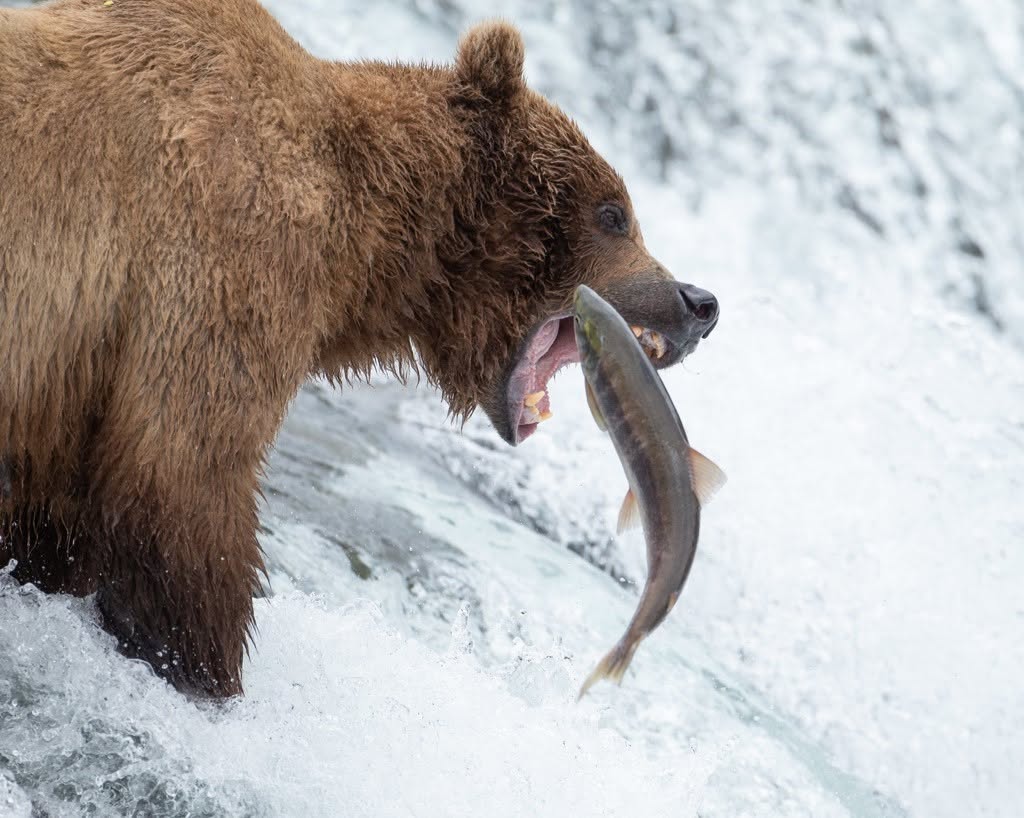
Optimal Bear-Watching Seasons in Alaska
The anticipation of watching powerful brown bears in their natural habitat is best met during Alaska's peak bear-viewing seasons. This is when salmon runs are at their full swing and the bears gather to feast.
Summer: Prime Time for Salmon Runs
In July, Alaska's rivers swell with the return of salmon, signaling the height of the summer season. Brown bears, skilled fishers, are often spotted along streams and waterfalls, using their impressive strength to snag their migrating prey. This spectacle is one of nature's most thrilling displays, with the salmon run peaking and brown bears taking center stage.
-
Best Month: July
-
Key Activity: Salmon runs
Fall: A Season of Abundance
As summer gives way to September, bears continue to capitalize on the abundance of easily accessible food, preparing for the coming winter. In this period, the bears are still active and visible, especially near spots where salmon continue to run. Here, one can witness the sheer vitality of these majestic creatures, making fall another optimal time for visitors eager to observe bears in action.
-
Best Month: September
-
Noteworthy: Ample bear sightings as they fatten up for winter
Bear enthusiasts should plan their trips during these prime periods to experience the awe-inspiring sight of Alaska's brown bears at their most active.
Prime Locations for Bear Viewing
Alaska's wilderness offers an unparalleled bear viewing experience where these magnificent creatures can be seen in their natural habitats. For the wildlife enthusiast, the sight of bears fishing for salmon is nothing short of spectacular, with several prime locations hosting this seasonal feast.
Katmai National Park: Brooks Falls
Katmai National Park is a haven for bear viewing, and the iconic Brooks Falls provides some of the most thrilling bear and salmon interactions in the world. As salmon leap over the cascading waters, Brown bears skillfully catch these fish, offering an unforgettable spectacle from June through July. The park also features the mesmerizing Valley of 10,000 Smokes, adding geological wonder to the wildlife adventure.
Lake Clark National Park
With its mix of sapphire lakes and lush vegetation, Lake Clark National Park is another jewel in Alaska's crown, attracting photographers and nature lovers. Here, visitors witness Brown bears ambling along the lakeshore or digging for clams at low tide — behaviors that can typically be observed from May through October.
Kodiak Island Sanctuaries
The Kodiak archipelago, including the Kodiak National Wildlife Refuge, boasts some of the largest Brown bears due to the abundant food sources on the islands. Areas like Geographic Harbor create picturesque backdrops for bear viewing, with visitors oftentimes watching bears from boats to get up-close encounters with these majestic giants.
Bear Behavior and Viewing Safety
Engaging in bear-viewing activities in Alaska presents an electrifying opportunity to witness these majestic creatures in their natural habitat. Observers can gain insight into the bears' complex ecosystem, while learning essential safety measures to ensure a respectful and secure experience.
Understanding Bear Habitats and Habits
Bears exhibit unique behaviors, especially during feeding times when they congregate at salmon streams. They can be predictable during specific seasons; for example, they are active outside of hibernation periods, typically in summer months when salmon is abundant. These are ideal times for bear-viewing, as bears are actively fishing and are more focused on the rivers and streams. Observers should be aware that bears are especially attentive to their environment during these feeding frenzies.
Safety Practices for Bear Encounters
When one is in proximity to these wild animals, safety becomes paramount. It is essential to maintain a safe distance from bears, and if a closer encounter occurs, bear spray should be readily accessible. Bear-viewing must always be conducted with caution and respect for the bear's space. Here's a brief rundown of safety practices:
-
Bear Spray: Always carry it and know how to use it.
-
Safe Distance: Stay at least 50 yards away from bears to avoid disturbing them.
-
Guidance: Follow the instructions of park rangers and experienced guides.
-
Group Tours: They are advisable to ensure a secure viewing experience.
Adhering to these measures can drastically reduce the likelihood of bear-related incidents and enhances the overall bear-viewing adventure.
How to Plan Your Bear Viewing Adventure
Embarking on a bear viewing adventure in Alaska calls for savvy planning to ensure an exceptional experience. One must consider the best ways to witness these majestic creatures, particularly when they are in the midst of salmon catching—a truly breathtaking sight. Whether opting for a guided tour or going independently, understanding the necessities of permits, platforms, and preparation will shape the ultimate bear viewing expedition.
Guided Tours vs. Independent Trips
Guided Tours: They offer a curated experience with knowledgeable guides who ensure safety and enhanced viewing opportunities. One can find options such as bear viewing tours, which are particularly adept at leading visitors to prime spots during peak seasons. Guides typically have access to remote locations and can offer insights on bear behavior that enrich the experience.
-
Accessibility: Guided tours often include transportation to remote viewing areas, which are usually only accessible by boat or plane.
-
Gear: They may provide visitors with essential gear required for bear viewing, including binoculars and rain gear.
Independent Trips: For the independent spirit, charting a personal course to see these Alaskan bears can be thrilling. This option necessitates careful research and preparation.
-
Visitor Centers and Ranger Stations: One must check in with visitor centers or ranger stations for expert advice and updates on bear activity.
-
Viewing Platforms: Independent travelers must locate and, if necessary, reserve access to public viewing platforms, an essential aspect for a respectable and secure experience.
Permits, Platforms, and Preparation
Permits:
-
Anan Wildlife Observatory: Very few permits, like those for Anan Creek, are needed to enter certain protected areas, and they're limited to a small number of visitors each day.
-
Acquisition: These permits must be secured in advance, either online or through the local ranger stations.
Platforms and Gear:
-
Viewing Platforms: Designated platforms at places like Brooks Falls provide safe, optimal spots for bear watching.
-
Personal Gear: One should prepare with appropriate attire for the Alaskan weather, including waterproof clothing and sturdy hiking boots.
-
Preparation: Investigate and understand the specific regulations of the viewing area to ensure a responsible and unobtrusive encounter with wildlife.
Getting There: Transportation to Remote Bear Havens
Adventurers seeking the thrill of witnessing Alaskan bears in their natural habitat can expect an exciting journey to one of the world's most spectacular wildlife displays. Accessing these remote locations often involves a mix of air and water travel, each offering a unique perspective on Alaska's vast, untamed wilderness.
Fly-In Destinations: Air Taxis to the Wild
For those looking to venture into Alaska's more secluded regions, air taxis are a popular choice. Anchorage serves as a starting point for many bear enthusiasts – from here, a short but scenic flight can whisk them to prime viewing areas. Air taxis provide the dual benefits of convenience and accessibility, delivering visitors directly to destinations like Katmai National Park and other fly-in only locations. These flights aren't just a means to an end; they offer breathtaking aerial views of Alaska's landscape.
On the Water: Cruises and Boating Access
Alternatively, travelers may opt for a cruise departing from coastal towns such as Homer. These cruises offer a serene approach, allowing passengers to soak in the rugged coastline and marine wildlife before arriving at esteemed bear-viewing spots. Personal boats and chartered vessels also offer access to these exclusive areas, emphasizing the journey as an integral part of the Alaskan bear-viewing experience. A boat ride provides an unmatched opportunity to witness the majestic beauty of the region from the water's edge, where one can feel the pulse of Alaska's wild heart.
Keep exploring
Browse more North America guides or find your next nature idea.
Spotted something that needs updating? Let us know.