Discovering the Diversity of South America
South America offers an impressive array of landscapes, cultures, and biodiversity. From the towering Andes to the vast Amazon rainforest and the rugged terrains of Patagonia, this continent is a treasure trove of experiences for travelers.
The Andean Experience
The Andes mountain range is a defining feature of South America, stretching over 4,300 miles from Venezuela to Argentina. This region boasts breathtaking vistas and unique ecosystems, attracting adventurers and cultural enthusiasts alike.
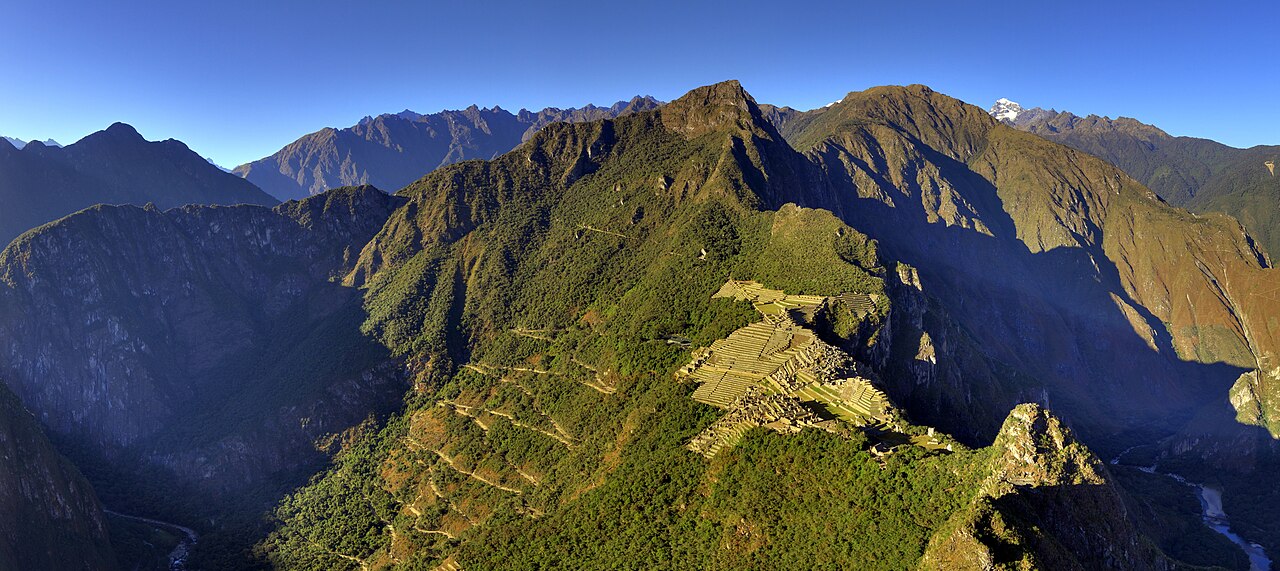
Travelers can explore ancient Incan ruins, including the world-renowned Machu Picchu, situated high in the Peruvian Andes. The cities of Cusco and La Paz offer rich histories and vibrant local cultures.
Local markets feature traditional textiles and handicrafts. The famous Andean condor, one of the world’s largest flying birds, can also be spotted soaring above the dramatic landscapes.
Amazon Rainforest Adventures
The Amazon rainforest is home to unparalleled biodiversity. Covering parts of several countries, including Brazil, Peru, and Colombia, it houses an estimated 390 billion individual trees.
Explorers can embark on guided tours through the lush jungle, spotting exotic wildlife such as sloths, jaguars, and countless bird species. The river itself provides opportunities for canoeing, fishing, and even piranha-catching.
Visitors often interact with indigenous cultures, gaining insights into their traditions and sustainable practices. The Amazon is not just a destination; it is a living ecosystem that plays a crucial role in the planet’s health.
The Patagonian Frontier
Patagonia, straddling the border between Chile and Argentina, is known for its stunning landscapes and outdoor adventures. The region features dramatic fjords, glaciers, and mountains, making it a paradise for nature lovers.
Highlights include the famous Perito Moreno Glacier, which is one of the few advancing glaciers in the world. Adventurers can engage in hiking, ice trekking, or simply marvel at the scenery.
Wildlife enthusiasts will find diverse species, including guanacos, Andean flamingos, and the elusive puma. This remote area reflects the rugged beauty and pristine environments of South America, making it an essential part of any travel itinerary.
Iconic South American Destinations
South America boasts a diverse array of destinations that capture its rich cultural heritage and stunning landscapes. From the bustling streets of Rio de Janeiro to the ancient mysteries of Machu Picchu, these locations offer unique experiences that are both memorable and enriching.
Brazil's Vibrant Heart
Rio de Janeiro stands out as a cultural emblem of Brazil. Renowned for its stunning beaches like Copacabana and Ipanema, it seamlessly blends natural beauty with lively urban life. Visitors can revel in the rhythm of samba during the Carnival, one of the world's largest and most famous festivals, where parades and music dominate the city.
At the heart of Rio lies the iconic Christ the Redeemer statue, offering breathtaking views from the Corcovado Mountain. Additionally, the Sugarloaf Mountain offers an exhilarating cable car ride with panoramic views of the city and its coastline.
The Mystical Ruins of Peru
Peru's Machu Picchu captivates travelers with its ancient Incan ruins. Nestled in the Andes Mountains, it is one of the New Seven Wonders of the World. The journey to reach Machu Picchu can include a trek along the Inca Trail, where hikers experience stunning landscapes and ancient sites.
The Sacred Valley, with its picturesque towns like Ollantaytambo and Pisac, offers insights into Incan history and agriculture. While visiting Machu Picchu, exploring the well-preserved terraces and temples provides a profound glimpse into the past.
Argentina's Metropolitan Beats
Buenos Aires, Argentina’s vibrant capital, is a hub of culture and modernity. Known for its vibrant neighborhoods such as San Telmo and Palermo, it showcases stylish cafés, art galleries, and tango shows. The city's European-inspired architecture enhances its dynamic atmosphere.
Food enthusiasts can delight in Argentine cuisine, especially the famous asado (barbecue). Buenos Aires also hosts cultural events, including the Buenos Aires International Book Fair, attracting visitors from around the globe, offering a rich blend of history, art, and culinary delights.
Experiencing Local Traditions and Culture
South America offers a rich tapestry of traditions and cultural experiences shaped by its diverse history. Key elements of its heritage include the legacy of the Incas, the vibrant rhythms of tango and music, and the diverse and flavorful cuisine. Exploring these facets provides travelers with a deeper understanding of the continent’s identity.
The Inca Heritage
The Inca civilization is a cornerstone of South American history, influencing culture, architecture, and customs across the Andes. Visitors can explore Machu Picchu, a breathtaking testament to Inca engineering and spirituality.
This ancient site showcases impressive terracing and ceremonial structures. Engaging with local guides reveals tales of the Incas’ sophisticated societal structures and their deep connections to the land. Various festivals celebrate this heritage, highlighting traditional clothing and music.
Additionally, the Quechua language, still spoken today, offers insights into the Inca worldview. Experiences such as weaving workshops allow visitors to witness traditional craftsmanship and learn about the significance of textiles in Inca culture.
Tango and Music
The spirited dance of tango originated in the streets of Buenos Aires and embodies the passion of South American music. It combines African and European influences, reflecting the continent's multicultural roots.
Visitors can find tango shows in local venues or even participate in lessons. Argentine tango emphasizes improvisation and connection, drawing audiences into its emotive storytelling.
Live music events widely feature genres like chamamé and folklore, showcasing traditional instruments such as the guitar and accordion. Festivals celebrating local musicians often attract travelers eager to immerse themselves in the rhythmic landscape. This vibrant scene invites everyone to experience the heart and soul of Argentine culture.
Culinary Delights of the Continent
South American cuisine is a delicious fusion of indigenous ingredients, Spanish influences, and African flavors. Diverse offerings range from the savory dishes of Peru, like ceviche, to the rich barbecued meats of Argentina.
Travelers can indulge in local markets, exploring fresh produce and traditional markets brimming with colors. Brazilian feijoada, a hearty black bean stew, represents the region's communal dining traditions.
Food tours focusing on local specialties provide immersive experiences, revealing the importance of meals in family and social gatherings. Cooking classes are also popular; they blend culinary techniques with cultural history, enriching the appreciation for South American cuisine.
Must-Visit Natural Wonders
South America is home to breathtaking natural wonders that captivate travelers. From majestic waterfalls to unique islands, the continent offers diverse landscapes that showcase the beauty of nature.
The Majesty of Iguazu Falls
Iguazu Falls is one of the most impressive waterfalls in the world. Located on the border between Argentina and Brazil, it consists of around 275 individual cascades that stretch for nearly two miles. The largest drop, known as Garganta del Diablo (Devil's Throat), plunges dramatically, creating a stunning spectacle.
Visitors can explore the surrounding national park via walking trails that offer panoramic viewpoints. The lush rainforest is teeming with diverse wildlife, including colorful butterflies and exotic birds. The experience of standing before this natural wonder, with the sound of rushing water echoing, is unforgettable.
Galapagos: A Unique World
The Galapagos Islands, located off the coast of Ecuador, are renowned for their unique biodiversity. This archipelago is a living laboratory of evolution, housing species found nowhere else on Earth, such as the Galapagos tortoise and marine iguana.
Visitors can engage in activities such as snorkeling, kayaking, and hiking to experience the islands' distinct ecosystems. The volcanic landscapes offer a striking contrast to the surrounding ocean, making it a photographer's paradise. This destination provides insight into Charles Darwin’s theories of natural selection, making it a meaningful retreat for nature and science enthusiasts.
Other Natural Marvels
Beyond Iguazu Falls and the Galapagos Islands, South America boasts other remarkable natural wonders. Lake Titicaca is the highest navigable lake in the world, straddling the borders of Peru and Bolivia. Its deep blue waters are home to unique aquatic life and indigenous communities.
The Andes Mountains, stretching over 4,000 miles, offer stunning landscapes, with peaks that attract hikers and climbers. Torres del Paine National Park in Chile showcases breathtaking mountain ranges, glaciers, and clear lakes, making it a popular destination for trekking and wildlife observation. Each of these sites reflects the continent's extraordinary natural beauty.
Urban Exploration and City Life
Exploring the vibrant urban environments of South America reveals a rich tapestry of culture, history, and artistic expression. Each city offers unique experiences, from stunning colonial architecture to lively street art scenes.
Metropolitan Highlights
Cities like Santiago and Lima serve as the heartbeats of their respective countries. Santiago boasts a blend of modernity and tradition, with sites such as the Museum of Memory and Human Rights that offer insight into Chile’s past. Visitors can explore bustling neighborhoods like Lastarria, filled with cafes and artisan shops.
Lima, known for its culinary scene, is home to numerous award-winning restaurants. The historic center, a UNESCO World Heritage Site, showcases beautiful colonial buildings and plazas. In Medellín, innovative urban projects, such as the Metrocable, connect neighborhoods and enhance accessibility, making it a model for urban renewal.
Historical Cities and Architecture
South America is home to stunning examples of colonial architecture. Valparaíso, with its colorful hillside homes and charming streets, captures the essence of traditional Chilean culture. Its well-preserved historic district is a UNESCO World Heritage Site that reflects its maritime past.
In Argentina, the San Telmo district of Buenos Aires offers cobblestone streets lined with antique shops and historic buildings. The mix of Spanish and Italian influences in the architecture provides a glimpse into the city’s diverse heritage. Visitors to these historical cities will appreciate the stories each structure tells.
Art and Street Culture
Street art is a defining feature of urban life in cities like Medellín and Valparaíso. In Medellín, artists have turned public spaces into vibrant canvases, often addressing social issues and celebrating local culture. This movement promotes community engagement and transforms the urban landscape.
Valparaíso is famous for its murals that adorn buildings and walls, contributing to the city's bohemian atmosphere. The street art scene invites travelers to explore art in unexpected places. From galleries to murals, the artistic expressions seen in these cities provide a deeper understanding of local sentiments and history.
Active Adventures and Tours
South America offers a diverse range of active adventures and tours, showcasing its stunning landscapes and rich cultures. From the ancient paths of the Inca Trail to the vast expanses of the Amazon, travelers can immerse themselves in unique experiences that cater to different interests.
Following the Inca Trail
The Inca Trail is one of the most iconic treks in the world, leading to the breathtaking ruins of Machu Picchu. This trek spans approximately 26 miles and typically takes about four days to complete. Hikers encounter varying landscapes, including lush cloud forests, alpine tundra, and dramatic mountain scenery.
Permits for the Inca Trail are required and often sell out months in advance, so early planning is essential. Guided tours typically provide opportunities to learn about the rich history and culture of the Incas along the route. Travelers experience breathtaking sunrise views and the sense of accomplishment that comes with reaching the ancient citadel.
Cruising the Amazon and Beyond
The Amazon rainforest provides an unparalleled backdrop for adventure cruises. These tours offer travelers the chance to explore one of the most biodiverse regions on the planet. They can choose from various itineraries, ranging from multi-day riverboat voyages to shorter excursions.
Activities during these cruises may include wildlife spotting, fishing, and jungle hikes. Travelers often encounter river dolphins, sloths, and countless bird species. Additionally, culturally immersive experiences, such as visits to local villages, provide insight into the lives of indigenous people. These adventures highlight the Amazon's complexity and beauty.
Trekking in Remote Regions
For those seeking off-the-beaten-path experiences, South America has numerous remote trekking options. Regions such as Patagonia in Chile and Argentina or the Cordillera Blanca in Peru offer stunning views and challenging terrains.
Guided tours in these areas typically cover various landscapes, from glaciers to high mountain passes. Trekkers often camp under the stars, surrounded by nature. Opportunities for wildlife viewing and experiencing local culture increase the adventure’s appeal. Each trek provides a unique opportunity to discover South America's natural beauty and vibrant ecosystems.
Planning Your South America Vacation
Carefully considering the duration, accommodation, and communication methods can enhance the travel experience. Specific planning steps will help ensure a smooth and enjoyable trip to South America.
Choosing the Right Duration
When planning a vacation to South America, the duration is crucial. Popular trip lengths range from 11 to 15 days, which usually allow travelers to explore multiple destinations.
For an 11-day trip, it might be feasible to visit two major cities, such as Buenos Aires and Lima, along with a quick excursion to Machu Picchu. A longer 15-day journey allows for a more leisurely pace, providing time for in-depth exploration of places like Patagonia or the Amazon rainforest.
Travelers should prioritize their must-see destinations and consider travel time between locations. Longer stays also provide opportunities for spontaneous adventures.
Travel and Accommodation Tips
Traveling around South America offers various options, including flights, buses, and trains. Domestic flights can save time, while bus journeys provide scenic views. It’s advisable to book transportation in advance during peak seasons.
Finding the right accommodation enhances the trip experience. Travelers can choose from luxury hotels, hostels, or boutique stays. Research local options that fit personal preferences, including amenities and budgets, available at sites like South America Travel.
Consider booking accommodations that provide local insights and connections, allowing for a deeper understanding of the region. Options such as Airbnb can also be explored for a more immersive experience.
Navigating Language and Currency
Spanish is the predominant language across most of South America, with Portuguese spoken in Brazil. Travelers should familiarize themselves with basic phrases to enhance interactions. English is commonly spoken in tourist areas, but learning key Spanish terms demonstrates respect for local culture.
Currency varies by country, and it is essential to research the local currency even for simple transactions. Familiarity with exchange rates can prevent issues when spending. Credit cards are widely accepted, but having cash on hand is advisable for smaller vendors. Carrying essential emergency contact information in both languages can also be beneficial.
Keep exploring
Browse more South America guides or find your next adventure idea.
Spotted something that needs updating? Let us know.