Discovering the Best Times to Travel
Travelers eagerly await the chance to witness Scotland's breathtaking landscapes and vibrant culture. Knowing when to visit maximizes the experience, ensuring one captures the country's beauty, avoids the busiest times, and finds the sweet spot of pleasant weather and eventful calendars.
Overview of Seasons
Scotland offers distinct experiences each season. In spring (March to May), the landscapes burst to life with blooming flowers, and days begin to warm up. The autumn months (September to November) enchant with gold and crimson foliage—ideal for photographers seeking picturesque settings. Winters (December to February) might be cold and short on daylight hours, but they have their own charm with cozy nights and possible snow-capped scenery. For those seeking the mildest weather, the summer (June to August) boasts longer days and usually the warmest temperatures.
Peak Travel Periods
Scotland's high season coincides with summer when festivals fill the calendar and attractions are at their busiest. If one prefers less congestion, the shoulder seasons—spring and autumn—present an attractive blend of moderate weather and thinner crowds. The low season, spanning late autumn through winter, invites intrepid travelers with fewer tourists and potential off-season deals, though some sites may reduce hours or close for the season.
Monthly Breakdown of Scottish Weather
Scotland's weather is a tapestry of diverse conditions, offering everything from crisp, snowy winters to mild, sun-drenched summers. Each season paints its own unique picture, inviting visitors to experience the country's natural beauty in various shades.
Spring Months
March to May: Spring in Scotland is the period of revival with temperatures ranging from 5°C to 15°C. March ushers in milder weather, with occasional snow in the Highlands but more frequent sunny days. Moving into April, the country blooms; rainfall decreases, and temperatures slowly rise, hitting that sweet spot of mild warmth in May. It's a time when the days grow longer, and Scotland's natural landscapes come to life with vibrant colors.
Summer Heat
June to August: The Scottish summer is notably temperate, never too hot, with average highs hovering between 15°C and 17°C. June kicks off with the longest days of the year and the least amount of rain – a perfect cocktail for outdoor activities. July and August promise warmth and increasingly sunny spells, making them ideal for soaking up Scotland's rich cultural festivals or exploring its stunning natural beauty.
Autumn Transition
September to October: As Scotland transitions into autumn, the scenery becomes a canvas of russet hues. September maintains the warmth with temperatures still pleasant at around 14°C, but October sees a gradual cool down and an increase in rainfall. Despite this, it's a beautiful time for leaf peeping and enjoying the quieter side of Scottish life as the tourist crowds dissipate.
Winter Chill
November to February: Scottish winters bring colder days, with temperatures often dipping below freezing, and snowfall more likely – especially in the mountainous regions. November marks the beginning of darker evenings and chillier weather, yet the holiday spirit keeps spirits bright. December and January are the coldest months, perfect for enjoying snow sports or witnessing the breathtaking landscapes transformed by frost. February starts to see the light increase, hinting at the approach of spring once more.
Cultural and Festive Highlights
Scotland comes alive with a vibrant array of cultural events and festive celebrations throughout the year, showcasing its rich traditions and contemporary verve. Each season in Scotland has its distinct festivities, drawing visitors around the globe to experience its unique heritage and lively atmosphere.
Spring Festivities
Edinburgh buzzes with creativity during spring as it leads up to the Beltane Fire Festival, an ancient Celtic celebration marking the beginning of summer with fire, drumming, and revelry on Calton Hill. Amid the blossoming landscapes, spring also sees the return of the Highland Games across various towns, where kilted competitors exhibit their strength in traditional Scottish sports.
Summer Events
Summer is festival season in Scotland, with Edinburgh transforming into the cultural capital of the world during the Edinburgh International Festival and the Edinburgh Festival Fringe. The city becomes a stage for theatrical performances, comedy, and the arts. Meanwhile, film enthusiasts gather for the Edinburgh International Film Festival, showcasing both mainstream and independent cinema.
Autumn Celebrations
As leaves turn amber, Scotland celebrates its heritage with events like the Braemar Gathering, patronized by the Royal Family, featuring more quintessential Highland Games. Autumn also offers a chance to explore local food and drink, with various festivals dedicated to showcasing Scotland's culinary delights and whisky.
Winter Traditions
Scotland's winter is a time of magical Christmas markets and the world-famous Hogmanay festivities. Edinburgh leads the way into the New Year with its breathtaking fireworks and street parties. Visitors can take part in traditional Scottish celebrations like ceilidhs, torchlight processions, and the iconic Loony Dook – a brave New Year's Day dip in chilly waters.
Regional Delights and When to Visit
Scotland captivates visitors with its diverse cities and breathtaking landscapes. This guide uncovers the optimal times to visit Scotland's regions, from the bustling city festivals in Edinburgh to the serene beauty of the Highlands, aligning trip timing with each area's distinctive offerings.
Edinburgh and Glasgow
Edinburgh thrives in August when the world-famous Edinburgh Festival Fringe takes center stage, drawing artists and audiences from around the globe. It's prime time for cultural enthusiasts, although they should be prepared for larger crowds and higher prices. Visiting Glasgow during May offers pleasant weather and a chance to witness its rich architectural heritage without the peak tourist rush.
Inverness and the Highlands
The Highlands bloom into life in the late spring and early summer, offering perfect conditions for exploring legendary landscapes like Loch Ness near Inverness. Those hoping to avoid midges should consider early Autumn; a sweet spot for both fair weather and thinning tourist season.
Isle of Skye and Islands
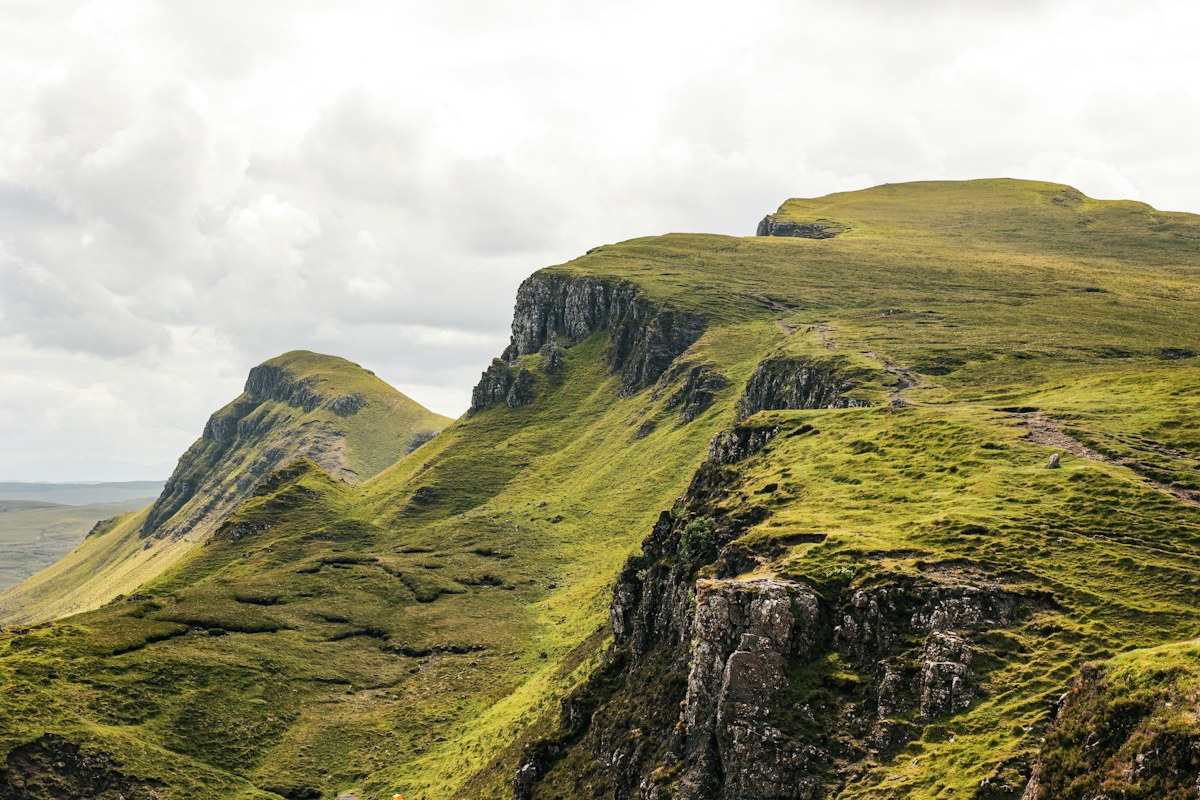
Journeying to the Isle of Skye during May or September avoids summer crowds, allowing more intimate encounters with its dramatic cliff faces and coastal trails. The Orkney and Shetland islands are best visited in July or August, aligning a trip with the islands' lively festival period and long daylight hours for exploring ancient sites and abundant wildlife.
Outdoor Adventures and Natural Wonders
Scotland is a treasure trove for outdoor enthusiasts, offering endless opportunities to explore its dramatic highlands, serene lochs, and lush gardens. Every step into the Scottish wilderness promises the exhilaration of witnessing untouched wildlife and the challenge of rugged mountain trails.
Hiking and Wildlife
Scotland's highlands are a hiker's paradise, with trails that cater to both novice walkers and experienced trekkers. The undulating terrain of the Scottish Highlands is home to some of the most breathtaking scenery and diverse wildlife. They can trek through Glencoe's soaring valleys to spot red deer and golden eagles soaring overhead. For those with a love for botany, the gardens scattered throughout the Highlands, like Inverewe Garden, showcase a vibrant array of flora.
Loch Lomond and the Cairngorms
At the heart of Loch Lomond & The Trossachs National Park, Loch Lomond itself invites adventurers to its waters. Kayaking, paddleboarding, and boat tours abound, while the surrounding trails offer stunning vistas that reveal the full grandeur of the area's natural beauty. Further north lies the Cairngorms National Park, a majestic area known for its snow-capped peaks. Here, mountain climbing enthusiasts find their calling, ascending peaks like Ben Macdui and experiencing the thrill that comes with reaching Scotland's summit. Those embarking on outdoor adventures in the Cairngorms can expect sweeping panoramas that encapsulate the essence of Scotland's wild heart.
Planning Your Stay in Scotland
When travelers embark on a Scottish adventure, they find themselves spoiled for choice with cozy accommodations and a vibrant cultural scene. Here's how they can make the most of their stay, from selecting the perfect place to rest their heads to diving into the local entertainment.
Accommodation and Booking
Travelers should book their accommodations well in advance, especially if visiting during the peak season from June to August. Whether they're looking at luxurious hotels in the city centers or quaint B&Bs tucked away in the Highlands, early planning ensures a wider selection and often better rates. For those preferring to immerse themselves in Scottish culture, private rentals offer a unique perspective on local life. They can click for options on planning a longer stay or travelling in a group.
-
Hotels: From budget-friendly to five-star luxury, Scotland's cities have it all.
-
Bed & Breakfasts (B&Bs): Ideal for a personalized touch on your travels.
-
Private Rentals: Great for groups or a more authentic living experience.
Food, Music, and Entertainment
Scotland's food scene is a thrilling mix of traditional flavors and modern gastronomy. For a true taste of Scotland, they can't miss trying haggis, a local delight, paired with a dram of fine Scotch whisky. The country's music etches itself into the heart of any visitor, with live music often heard in pubs and during festivals. Travelers should keep an eye out for ceilidhs, traditional gatherings filled with dance and music, which provide ample opportunity for socializing and fun—the perfect Scottish night out. For specific experiences, attendees can look at cultural excitement and long days.
-
Food: Sample traditional Scottish cuisine or explore modern restaurants.
-
Music: Discover local talent at pubs and festivals.
-
Entertainment: Attend ceilidhs for authentic Scottish dance and music.
Practical Tips for a Splendid Trip
To make the most out of their Scottish journey, travelers should focus on packing smart and preparing for the whims of the Scottish weather. Let's unpack some essentials that will safeguard against any curveballs nature might throw.
Packing Essentials
When heading to Scotland, one's suitcase should be ready for anything. First, it is crucial to pack layers—think t-shirts, sweaters, and a waterproof jacket—that can handle both crisp breezes and unexpected sunny spells. A packing list might include:
-
Warm clothing: for the often chilly evenings
-
Comfortable footwear: for exploring those cobblestone streets and scenic hikes
-
Umbrella: essential for the inevitable rain showers
-
Sunglasses: for when the sun graces Scotland with its presence
Scotland experiences the driest weather from April to September, but it's always wise to be prepared for sudden shifts from sun to rain and back again within a day.
Dealing with Midges and Weather
Navigating Scotland's more bite-sized inhabitants, such as midges, demands some strategic preparation. These biting insects are particularly notorious during the warmer months. Here's how travelers can keep the midges at bay:
-
Insect repellent: An absolute must-have, especially during the evenings or when near bodies of water.
-
Head net or hat: For those venturing into the Highlands during midge season.
Scotland's weather is famously unpredictable, and can breeze from cold to sunny in no time, so travelers should always have a raincoat or umbrella handy. Winter may bring snow in the highlands, adding to the adventure but also the need for extra caution and warm gear. Keeping an eye on the weather forecast is beneficial, but one should always be ready for Scotland's quicksilver skies, promising an exciting and ever-changing travel experience.
Special Considerations for Unique Experiences
When planning a trip to Scotland, one must consider the timing for distinctive activities that the country offers.
Whisky Tasting: Heed the call of Scotland's liquid gold throughout the year. Whether it's a cozy indoor setting during the chillier months or a serene distillery tour in the summer sun, whisky aficionados can indulge in tasting sessions and learn the craft behind Scotland's premier beverage.
-
Winter Wonderland: The cold season ushers in enchanting experiences with Christmas markets and skiing opportunities. Markets come alive with festive wares and twinkling lights, offering a jovial atmosphere, while ski resorts promise exhilarating slopes for all skill levels.
|
Month |
Experience |
|---|---|
|
Dec-Feb |
Skiing & Markets |
-
Long, Lush Days: The summer months in Scotland gift travelers with extensive daylight hours, perfect for outdoor exploration. Long days allow for ample time to relish in the natural beauty or partake in cultural festivals.
|
May-Jul |
Benefit |
|---|---|
|
Summer |
Extended Daylight |
Scotland invites visitors to embrace its unique culture and landscapes, with something extraordinary to unearth regardless of the season.
Frequently Asked Questions
Scotland's weather and landscapes are as captivating as they are dynamic. Unearthing the gems of travel timing can enrich one's experience immensely.
What month blossoms with the finest Scottish weather for travelers?
She may find that the months of May to September offer the best weather, with mild temperatures ideal for exploring. Spring and fall also boast fewer crowds and offer the quintessential Scottish scenery.
When can you experience the Scottish Highlands in all their glory?
Travelers are graced with the majestic beauty of the Highlands from June to August, when days are long, and nature is in its full midsummer splendor.
Seeking the secret season to sidestep the crowds in Scotland - when is it?
Those looking to avoid the hustle can consider the off-peak months like April and October, where one can wander through tranquil vistas as the throngs of tourists disperse.
What's the prime time to journey through both Scotland and its emerald neighbor, Ireland?
One's ideal journey through Scotland and Ireland is typically during the months of May and June, when one can enjoy verdant landscapes and comfortable weather in both Celtic lands.
Eager to dodge the infamous midges – which part of the year is best for a Scottish escape?
Travelers should aim for late autumn or the beginnings of spring in their Scottish itinerary to sidestep the midge swarms, commonly peaking in the summer.
Curious about the drizzliest periods in Scotland – when should you pack extra waterproof gear?
They should be prepared for rain throughout the year, but especially from October to January, which is known to be the wettest period in Scotland. Packing waterproof clothing is essential to enjoy the vibrant hues and historic whispers irrespective of the drizzle.
Keep exploring
Browse more Europe guides or find your next nature idea.
Spotted something that needs updating? Let us know.