Geographic Overview
Japan's complex topography is scattered with numerous islands, with four principal ones playing a pivotal role in the nation's geography and culture.
Main Islands
-
Hokkaido: Situated as the northernmost island, Hokkaido is recognized for its vast wilderness and cooler climate. Detailed information can be found on Wikipedia.
-
Honshu: This is the largest island housing the majority of the population, including the capital, Tokyo.
-
Kyushu: The third largest island of Japan, known for its active volcanoes and hot springs.
-
Shikoku: The smallest of the main islands, featuring a mountainous interior and a coastal perimeter.
Regional Island Groups
-
Ryukyu Islands: A chain of Japanese islands that stretch southwest from Kyushu to Taiwan, including the famous Okinawa Prefecture.
-
Izu Islands: A group of volcanic islands off the Izu Peninsula, easily accessible from Tokyo.
Historical Significance
The names of Japanese islands hold deep connections to the country's cultural heritage and reflect centuries of historical evolution. From the ancient provincial divisions to the complex roles these islands play in contemporary geopolitics, each name is a testament to Japan's rich past and dynamic present.
Ancient History
The nomenclature of Japan's islands is deeply rooted in its ancient history. For instance, the name Kyushu translates to "Nine Provinces," which encapsulates the island's historical segmentation into nine ancient regions. This division is not merely geographical; it represents the societal and administrative delineation of regions that existed over a millennium ago. The designations such as Chikuzen and Buzen are emblematic of a structured, localized governance system that defined early Japanese civilization.
Modern Developments
In modern times, the significance of Japanese island names has evolved, often embodying the political and economic shifts that have shaped the archipelago’s recent history. For example, the transformation of Edo to Tokyo—meaning "Eastern Capital"—aligns with Japan's period of rapid modernization during the Meiji Restoration. This era witnessed Japan emerging on the global stage with an increased emphasis on its main island, Honshu, and the establishment of Tokyo as the epicenter of Japanese power and culture. The names of these islands continue to be reference points for understanding Japan's ongoing development in the context of globalization and technological advancement.
Cultural Impact
The Japanese islands' historical and spiritual significance is deeply rooted in their cultural sites and the rich tapestry of mythology and folklore associated with them.
Cultural Sites
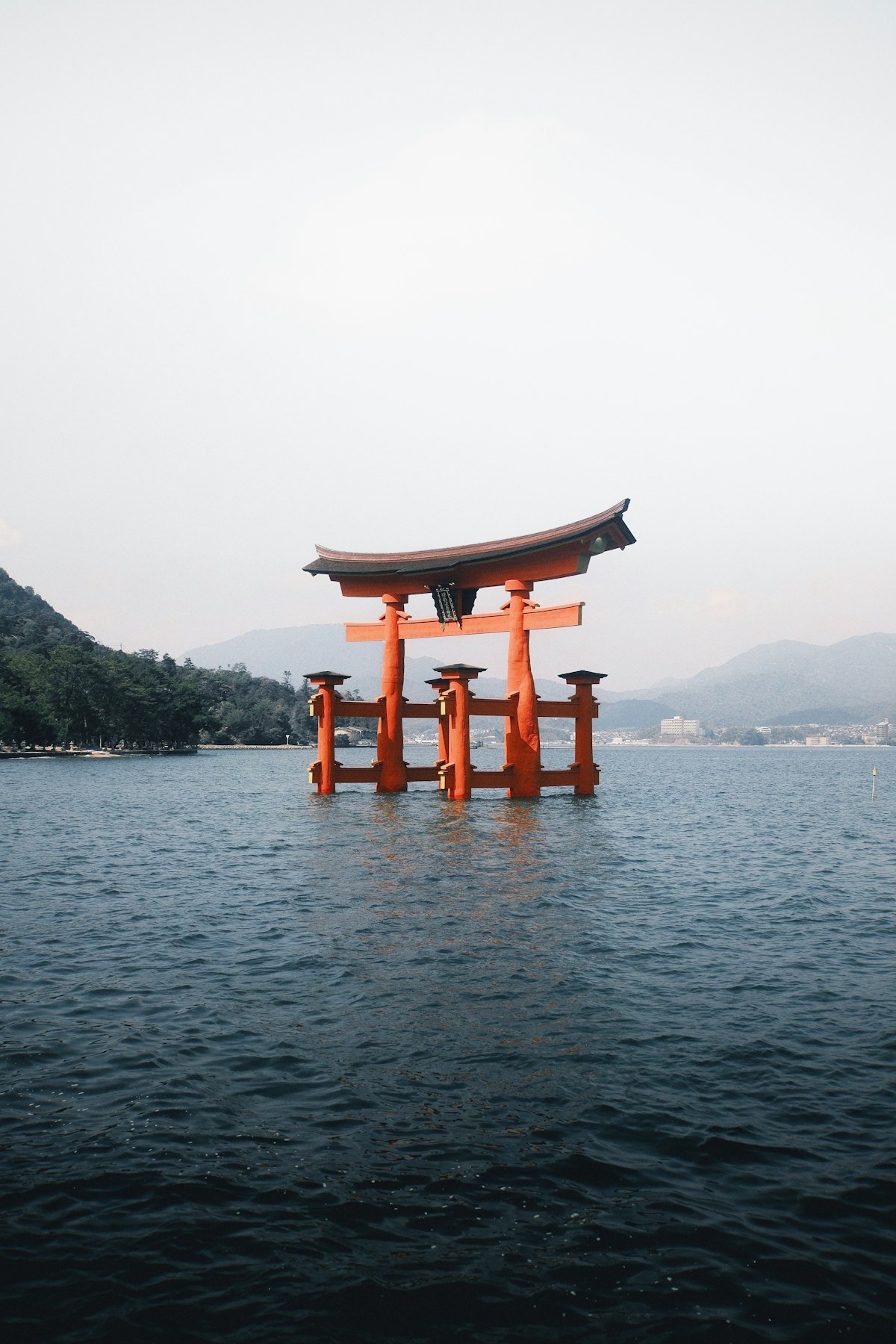
Japan's islands are speckled with cultural sites that reflect the nation's history and the spirits of its people. For instance, the island of Honshu houses the historic city Kyoto, known for its classical Buddhist temples, as well as gardens, imperial palaces, Shinto shrines, and traditional wooden houses. Meanwhile, the Itsukushima Shrine on Miyajima Island is famed for its floating torii gate, which at high tide seems to stand on the water itself, creating a link between the spiritual and the earthly.
Mythology and Folklore
Each Japanese island nurtures a wealth of stories, where gods, spirits, and beings from Japanese mythology find their homes. Shikoku, for example, is renowned for the 88 Temple Pilgrimage associated with the Buddhist monk Kukai. Hokkaido's indigenous Ainu culture brings its own unique mythology, with stories of the Kamuy (deities) that are believed to inhabit natural features such as mountains, lakes, and the sea. These stories are not just tales of the past but are woven into the fabric of daily life, influencing festivals, rituals, and the cultural identity of the islands' inhabitants.
Natural Landscapes and Biodiversity
Japan's archipelago boasts a rich mosaic of landscapes that provide habitats for an expansive array of plant and animal life. The Japanese islands are renowned for their distinct natural beauty and unique ecological zones that contribute to the biodiversity found within.
Flora and Fauna
The Japanese islands harbor distinct ecosystems, each with its own set of endemic species. Islands like Amami-Oshima and Iriomote are part of a UNESCO World Natural Heritage site designated for their rich biodiversity. On these islands, one can find the rare Amami rabbit, a species referred to as a "living fossil" and an indicator of the region's unique wildlife. Iriomote Island is not only the largest island in the Yaeyama chain but also an ecological haven with a mixture of virgin forests, rivers, and mangrove swamps that support species like the Iriomote wildcat.
National Parks and Conservation
To protect its varied ecosystems, Japan has established a network of national parks that encompass a range of environments—from the snow-capped mountains of Hokkaido to the subtropical forests of Okinawa. Hokkaido, known for its vast forests and lakes, is emphasized for its sparsely populated rugged wilderness, highlighting the importance of conservation efforts. Japan demonstrates a commitment to the preservation of its natural heritage, as seen with the inclusion of key habitats in the UNESCO list and the continuous efforts to maintain and protect these essential natural resources.
Economic Importance
The islands of Japan play a significant role in bolstering the nation's economy through tourism, the fishing industry, and trade and transportation.
Tourism
Tourism is a key economic driver with destinations like Honshū seeing significant visitor numbers due to its cultural and economic hubs, including Tokyo. Other islands such Hokkaido attract tourists with their unique natural landscapes and seasonal events.
Fishing Industry
Japan's fishing industry thrives due in large part to its extensive coastlines and surrounding seas. Islands like Kyushu are central to this industry, providing employment and contributing substantially to local and national economies.
Trade and Transportation
Strategically located, many Japanese islands serve as critical points for trade and transportation. Major ports on islands such as Honshū facilitate a high volume of domestic and international trade, essential for connecting Japan with global markets.
Frequently Asked Questions
This section addresses common inquiries about Japan's islands, providing concise answers and factual information on their geography and significance.
What are the four largest islands of Japan?
The four largest islands of Japan are Honshu, Hokkaido, Kyushu, and Shikoku. Honshu is the largest, followed by Hokkaido, Kyushu, and Shikoku, which is the smallest of the four.
Which is the smallest inhabited island in Japan?
Aogashima is often cited as the smallest inhabited island in Japan, with a population of under 200 people. It is part of the Izu archipelago.
How many islands comprise the nation of Japan?
Japan is an archipelago consisting of over 6,800 islands. This number includes main islands, as well as many smaller islets and rocks.
On which Japanese island is the capital city, Tokyo, located?
The capital city, Tokyo, is located on the island of Honshu. It is the most populous island in Japan and the location of many other major cities.
What is the largest island in the Japanese archipelago?
Honshu is the largest island in the Japanese archipelago. It is the seventh-largest island in the world and home to a vast majority of Japan's population.
Can you list the five major islands of Japan?
The five major islands of Japan are Honshu, Hokkaido, Kyushu, Shikoku, and Okinawa. Together they encompass the majority of Japan's land area and population.
Keep exploring
Browse more Asia guides or find your next nature idea.
Spotted something that needs updating? Let us know.