Geographic Overview
Exploring the expansive and diverse landscapes of the largest islands in the United States offers a rich tapestry of topographical wonder and significance. These landmasses are not only substantial in size but are stunning reflections of the natural beauty that the nation holds.
Location and Area
The largest island in the United States is Hawaii Island, commonly known as The Big Island, which boasts an impressive area of over 10,433 square kilometers. It sits majestically in the central Pacific Ocean as part of the Hawaiian archipelago. Following in size is Kodiak Island in Alaska, expansive and rugged, covering an area of 9,293 square kilometers. Straddling to the southeast is the beautiful Puerto Rico, encompassing approximately 8,870 square kilometers, and serving as a significant cultural and geographical American landmark in the Caribbean Sea.
Major Island Groups
The United States enjoys a plethora of island groups, each with their own unique charm. Hawaii's islands beckon with their lush landscapes, volcanoes, and beaches, offering diverse ecosystems and a true paradise for nature lovers. Far to the north, Alaska's islands present a harsher, yet equally majestic environment, with Kodiak Island being a prominent landmass known for its wildlife. The Puerto Rican archipelago, which includes the main island of Puerto Rico and smaller ones like Vieques and Culebra, immerses visitors in a vibrant culture set amongst tropical splendor. These island groups are remarkable representations of the vast environmental diversity found within the United States' territories.
Top Five Largest Islands
The United States boasts some impressively vast islands, each with its unique landscape and charm. Ranging from tropical paradises to rugged, forested retreats, these islands are remarkable not only for their beauty but also for their expansive areas.
Hawaii (Big Island)
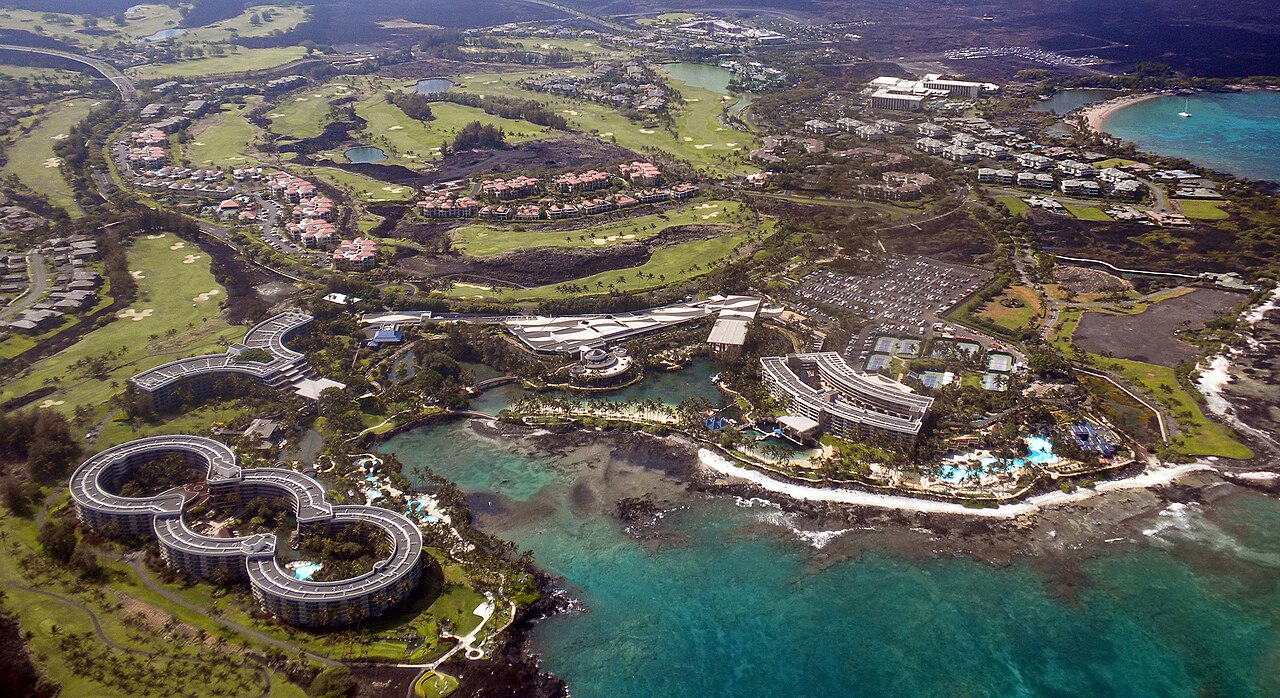
The Hawaii (Big Island) is not only the largest island in the United States but also a marvel of natural diversity. Spanning an area of 4,028 square miles, it provides an extraordinary mix of white sand beaches and active volcanoes.
Kodiak Island
Alaska's Kodiak Island, measuring 3,588 square miles, is a haven for wildlife enthusiasts and a hub for commercial fishing. The island's rugged terrain and rich greenery make it a spectacular destination.
Puerto Rico
Puerto Rico, a vibrant Caribbean gem, is the third-largest U.S. island, spreading over 3,363 square miles. It is a melting pot of cultures, history, and tropical landscapes, set against the backdrop of sunny blue skies.
Prince of Wales Island
The tranquil Prince of Wales Island, located in the Alexander Archipelago of Alaska, has an area of about 2,577 square miles. Home to dense rainforests and an intricate network of waterways, it is a prime spot for nature lovers.
Chichagof Island
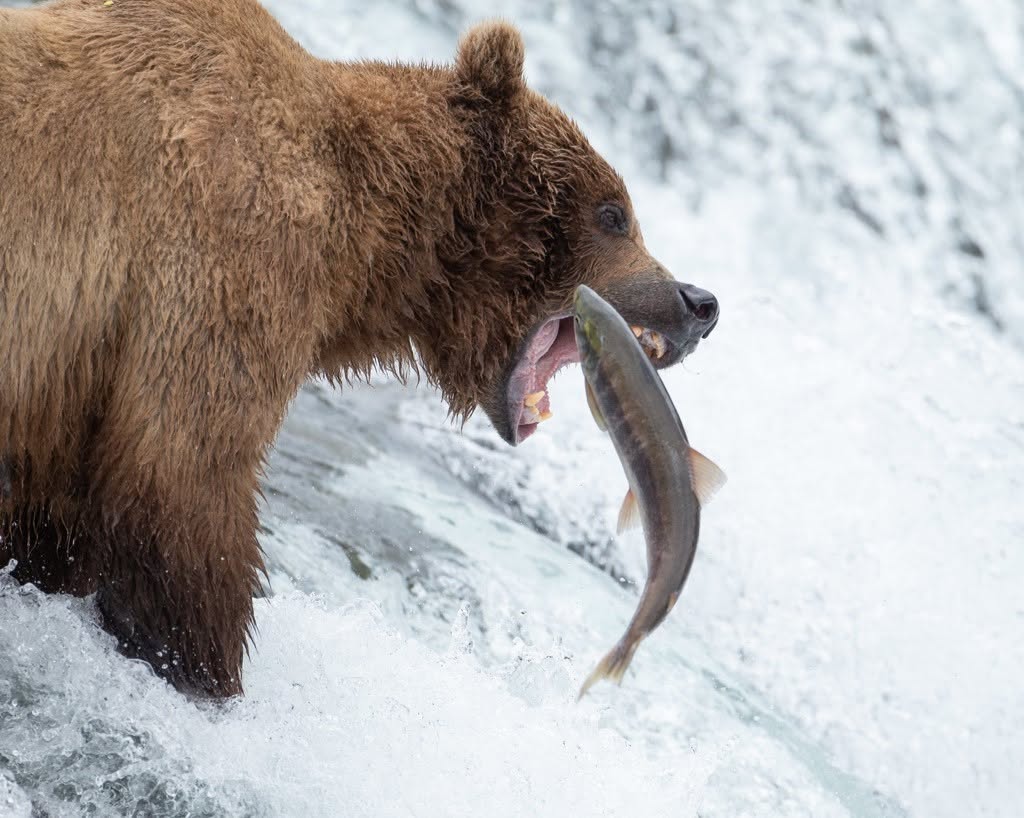
Alaska's Chichagof Island, with an area of 2,048 square miles, teems with wildlife in its sprawling forests. It is well-regarded for having one of the highest populations of brown bears in the world.
Island Ecosystems
The island ecosystems of the United States are remarkable, boasting a diversity of wildlife and pristine beaches. They provide natural laboratories where one can explore the unique nature of each locale, often sheltered within designated national parks.
Flora and Fauna
Island ecosystems are home to a tapestry of plant and animal life, including some species found nowhere else on Earth. The majestic Kodiak bear, the world's largest brown bear, roams freely on Kodiak Island in Alaska. Equally impressive are the dense forests of the Hawaiian Islands, which shelter a variety of bird species and a symphony of floral beauty. On various islands, visitors might spot a playful sea otter or a stealthy red fox.
National Parks
National parks on islands preserve the delicate balance of these ecosystems. The Channel Islands National Park safeguards the serene beauty and rich biodiversity of Santa Cruz Island, where one can encounter the island black bear and explore sea caves by kayak. Hawaii Volcanoes National Park offers an entirely different experience, with its dynamic landscape shaped by both nature and the forces beneath the Earth's crust.
Island ecosystems within the United States are diverse and fascinating, each telling its unique story through the flora and fauna that thrive there. These islands, especially within national parks, are treasured landscapes where the interaction between life and environment creates an extraordinary experience for visitors.
Cultural Significance
The largest islands in the US are not just geographical wonders; they are vibrant tapestries interwoven with unique cultures and historical landmarks that continue to intrigue and inspire. They are home to communities with rich heritages, each contributing to the diverse cultural landscape of the nation.
Native Cultures
The Tlingit people have been integral to the cultural fabric of Kodiak Island, Alaska. Their presence on the island dates back over 7,500 years, marked by an enduring legacy that speaks through totem poles, intricate carvings, and community events. Kodiak's Alutiiq Museum safeguards these traditions, offering a window into the soul of native customs and practices.
Historical Landmarks
Furthermore, the islands boast various historic sites, like the Fort Abercrombie State Historical Park in Kodiak. This park serves as a living museum, where remnants of World War II interact with the beauty of the natural landscape. It provides a unique glimpse into America's wartime history woven into the tapestry of Alaskan wilderness.
Recreational Activities
The United States boasts a plethora of islands, providing a treasure trove of recreational opportunities ranging from tranquil water activities to thrilling adventure sports.
Water and Beach Activities
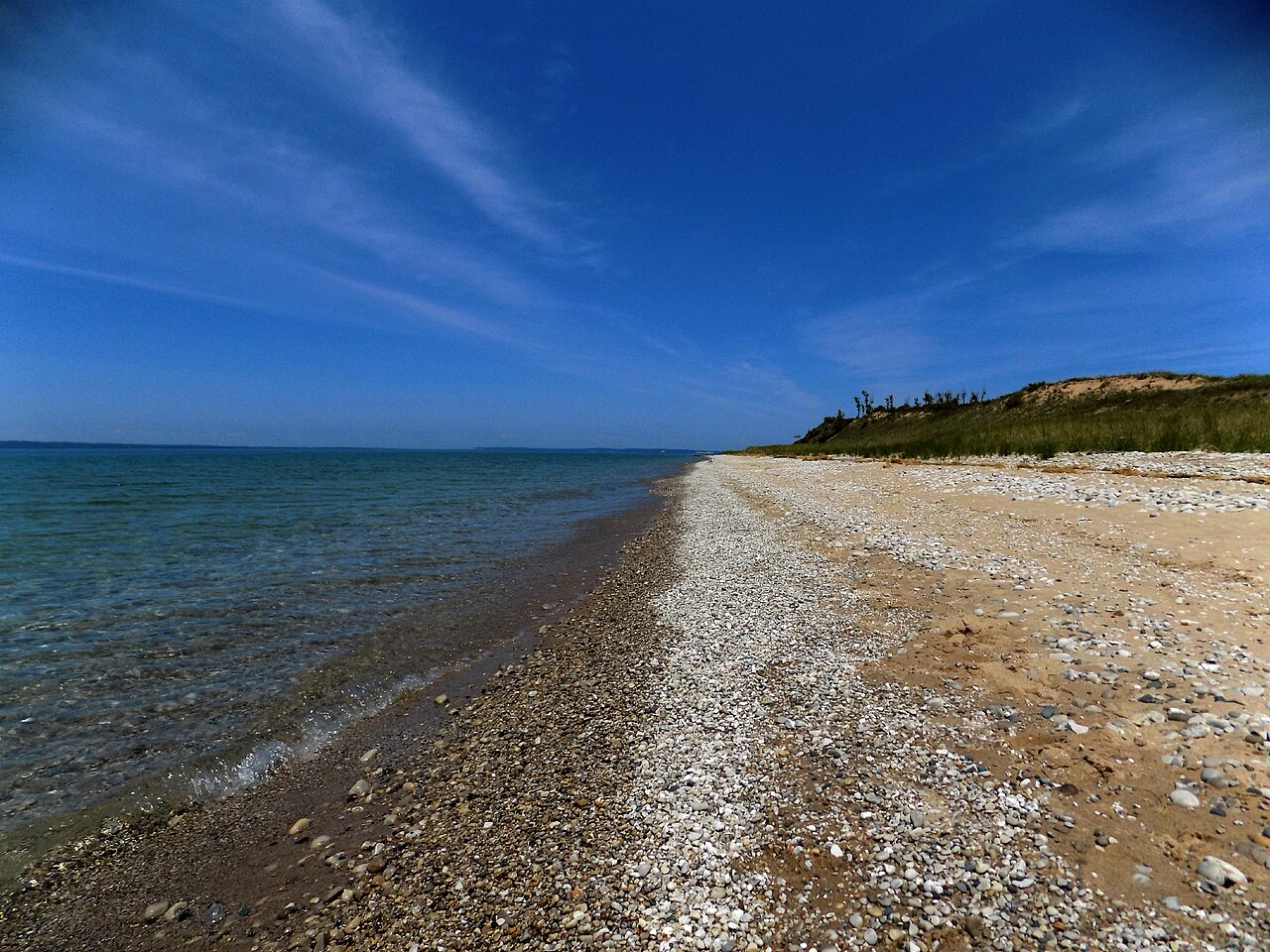
Whether one fancies serene paddling or energetic surf sessions, the islands cater to all. Visitors to Newport Harbor enjoy a range of water sports, including swimming and paddleboarding, amidst a scenic backdrop. The harbor is not just a hotspot for water enthusiasts but also a social hub with restaurants and hotels lining its shores. For beach lovers, the Hawaii Island offers beautiful beaches ideal for sunbathing, beachcombing, and of course, fishing — giving visitors the chance to reel in a unique catch.
Hiking and Adventure Sports
For those seeking an adrenaline rush, the islands promise unforgettable experiences. Hawaii Island beckons adventurers with its rugged terrains and trails, perfect for hiking and exploring the island's natural splendor. Meanwhile, Kodiak Island appeals to outdoor lovers with its dramatic landscapes, offering opportunities for bird-watching, biking, and hiking through untamed wilderness. The varied topography of these islands ensures that every hike or bike ride is filled with panoramic views and diverse wildlife encounters, embedding lasting memories of the American outdoors in one's mind.
Conservation Efforts
The United States boasts some tremendous conservation success stories, particularly with its largest islands and their unique ecosystems. These efforts focus on protecting diverse wildlife and vital habitats through the establishment of natural reserves and dedicated wildlife protection initiatives.
Wildlife Protection
The preservation of indigenous fauna remains a focal point in conservation. Initiates like those on South Padre Island show how concerted efforts can secure the wellbeing of various species. Here, The Nature Conservancy has worked tirelessly with partners to protect the island's creatures. Notable outcomes include the safeguarding of nearly 25,000 acres of habitat, serving as a haven for numerous birds and marine life.
-
Endangered species benefit from protection measures.
-
Partnerships are key to ongoing wildlife conservation success.
Natural Reserves
Natural reserves are robust tools for conservation, playing a critical role in the protection of America's beautiful landscapes. National Parks, such as those in Hawaii, comprise land specially designated for natural preservation. Additionally, efforts like the Chesapeake Bay Program signify large-scale ecosystem-based conservation, critical for maintaining the health and vitality of certain species and their environment.
-
Designation as a National Park can offer an essential layer of environmental protection.
-
Entire ecosystems benefit from coordinated conservation strategies.
The scope of conservation on the largest islands in the U.S. showcases a dynamic commitment to safeguarding natural treasures for future generations to cherish and enjoy.
Climate and Weather
The United States boasts some of the world's most diverse island climates, ranging from the tropical warmth of Hawaii to the frigid conditions near the Bering Sea. This variety directly influences the bustling tourism industry seeking unique experiences in different weather conditions.
Varied Climates of U.S. Islands
Hawaii Island or often referred to as the Big Island, is known for its tropical climate, appealing to those in search of sunny skies and warm beaches. For instance, in the town of Pahoa, visitors can expect average maximum daytime temperatures of 28°C in September.
Moving far north, the climate contrasts sharply. Kodiak Island in Alaska, located in the Bering Sea, is subject to a subarctic oceanic climate. The island experiences cooler weather year-round, which can be a stark difference from the tropical conditions found in Hawaii.
Impact on Tourism
Tourism thrives when travelers find their desired weather experience. The warm climates of islands like Hawaii are a powerful magnet for tourists, significantly boosting the local economy through various outdoor activities. On the other hand, the cooler conditions in places like the Bering Sea invite adventure seekers interested in experiences such as wildlife viewing and fishing.
Each island's weather plays a critical role in shaping vacation plans and activities, making climate and weather central to the success of the U.S. island tourism sector.
Economic Impact and Tourism
The largest island in the US thrives on its vibrant economy bolstered by the bustling tourism sector!
Island Infrastructure
The island's infrastructure is the backbone of its economy, with a focus on supporting the influx of visitors. Transportation networks, including airports, roads, and public transit, are continually upgraded to ensure tourists can easily explore the island's charms. Essential utilities and services, such as water supply, electricity, and internet connectivity, are robust to service the needs of both residents and guests.
Tourism Statistics
Hawaii, as the largest US island, welcomed a staggering 791,781 visitors in January 2023 alone, illustrating a massive 37.9 percent increase from the previous year. This surge in tourism significantly contributes to local businesses and supports a sizable portion of the island's employment. Benefits of Hawaii's Tourism Economy reflects on this vitality, revealing the strong relationship between visitor arrivals and economic growth.
-
Visitor Expenditures: Billions are injected into the local economy through tourism-related activities.
-
Indirect Impacts: Sectors such as retail, hospitality, and entertainment directly benefit, stimulating wider economic activity.
-
Tax Revenue: Tourism provides crucial tax income that funds public services and infrastructure projects.
-
Employment: The industry is a major employer, making it a linchpin in the local labor market.
Each one of these aspects plays a crucial part in maintaining and elevating the quality of life and the economic well-being of the island’s inhabitants.
Frequently Asked Questions
What island boasts the title of being the largest in the United States by area?
The Big Island of Hawaii holds the accolade as the largest island in the United States by area, offering a stunning display of natural diversity that ranges from lush rainforests to volcanic deserts.
Can you list the top 5 most expansive islands located in the US?
Certainly, the top five islands, starting with the most expansive, include the Big Island of Hawaii, Kodiak Island of Alaska, Puerto Rico, Prince of Wales Island of Alaska, and Chichagof Island, also in Alaska. Each of these islands boasts significant land areas that contribute to the US's geographic diversity.
Which island holds the rank of second-largest in the United States?
Kodiak Island, located in Alaska, has the distinction of being the second-largest island in the United States, renowned for its rugged wilderness and the famous Kodiak brown bear.
What island is the most populous in the United States?
Long Island in New York State is not only expansive but is also the most populous island in the United States, playing host to a bustling population and serving as a hub of cultural and economic activity.
Which island is considered the largest in the Americas?
Greenland takes the prize as the largest island in the Americas and the world, overshadowing all others with its mammoth icy landscape.
Are there islands in the lower 48 states that compete in size with the US's largest islands?
While islands in the lower 48 states like Whidbey Island in Washington and Padre Island in Texas are large by some standards, they do not approach the immense areas of the largest islands in Alaska and Hawaii.
Keep exploring
Browse more Oceania guides or find your next nature idea.
Spotted something that needs updating? Let us know.